Important Notifications
THE JULY 9, 2026 MEETING FOR THE UPPER HANOVER AUTHORITY WILL BE CANCELED. THE NEXT MEETING IS SCHEDULED FOR AUGUST 6, 2026.
TUHA Tips
Water Saving Tips - Kitchen
Kitchen
- Run dishwashers only when full.
- Scrape dishes instead of rinsing before loading.
- Keep a pitcher of drinking water in the fridge instead of running the tap.
- Thaw frozen food in the fridge, not under running water.
Laundry
- Wash only full loads or adjust water levels accordingly.
- Use cold water settings to save both water and energy.
Water Saving Tips - Outdoor
- Water early in the morning or late evening to reduce evaporation.
- Use mulch to retain soil moisture and reduce watering frequency.
- Choose native or drought-resistant plants.
- Install drip irrigation systems for targeted watering.
- Check for leaks in hoses, sprinklers, and irrigation systems.
- Sweep driveways and sidewalks instead of hosing them down.
- Use rain barrels to collect water for gardening.
Water Saving Tips - Bathroom
- Turn off the tap while brushing teeth or shaving.
- Install low-flow showerheads and faucet aerators.
- Fix leaks promptly - one dripping faucet can waste hundreds of gallons a year.
- Use dual-flush or low-flush toilets to reduce water per flush.
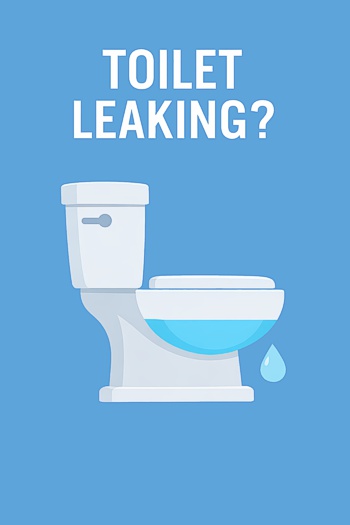
It's easy to check! - just a bit of dye, a keen eye, and a few minutes. Here's a step-by-step guide to help you pinpoint the issue:
Remove the tank lid
Carefully lift the lid and set it aside. You'll be working with the water inside the tank.
Add food coloring
Drop 4-5 drops of dark food coloring (blue or red works best) into the tank water.
Wait 15-20 minutes
Don't flush the toilet during this time. Just let it sit.
Check the bowl
If colored water appears in the bowl, your tank is leaking into it. This is a classic sign of a faulty flapper or flush valve.
Frozen Pipes: If you experience "no water," during the cold months, check all faucets before calling our office.
It could be related to a frozen pipe which is the property owner's responsibility. To avoid this situation and costly
repair bills, we suggest:
Insulate
Wrap/insulated pipes in unheated areas of the home (ie: basements, attics, etc.).
Heat
Set your thermostat to at least 55° F to keep your property adequately heated .
Let it Drip
Allowing faucets to drip slightly can keep water moving through the pipes and reduce the risk of freezing.
Open Cabinets
Open cabinets under sinks and along exterior walls to allow warm air to circulate around pipes.
Only the "Big Three" go down the toilet. Toilet paper, human waste, and nothing else.
Everything else - even if labeled "flushable" - causes clogs, grinder pump failures, and blockages in collection systems.
Never flush:
- Wipes (any kind)
- Paper towels
- Feminine products
- Dental floss
- Q-tips
- Grease-soaked towels
- Cat litter
Municipal systems spend thousands annually clearing these.
The Upper Hanover Authority
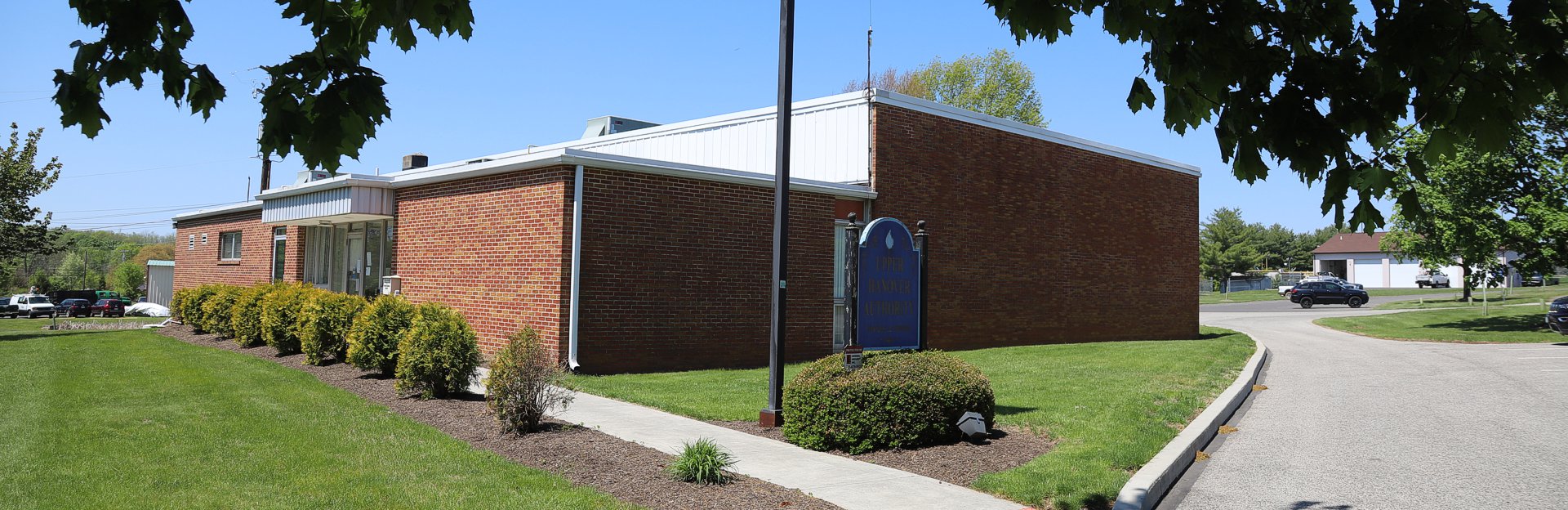
 The Upper Hanover Authority was first established by the Township Board of Supervisors as the Upper Hanover Sewer Authority in October of 1971. After acquisition of the Pennsburg Water Company in July of 1973, the name was changed to The Upper Hanover Authority.
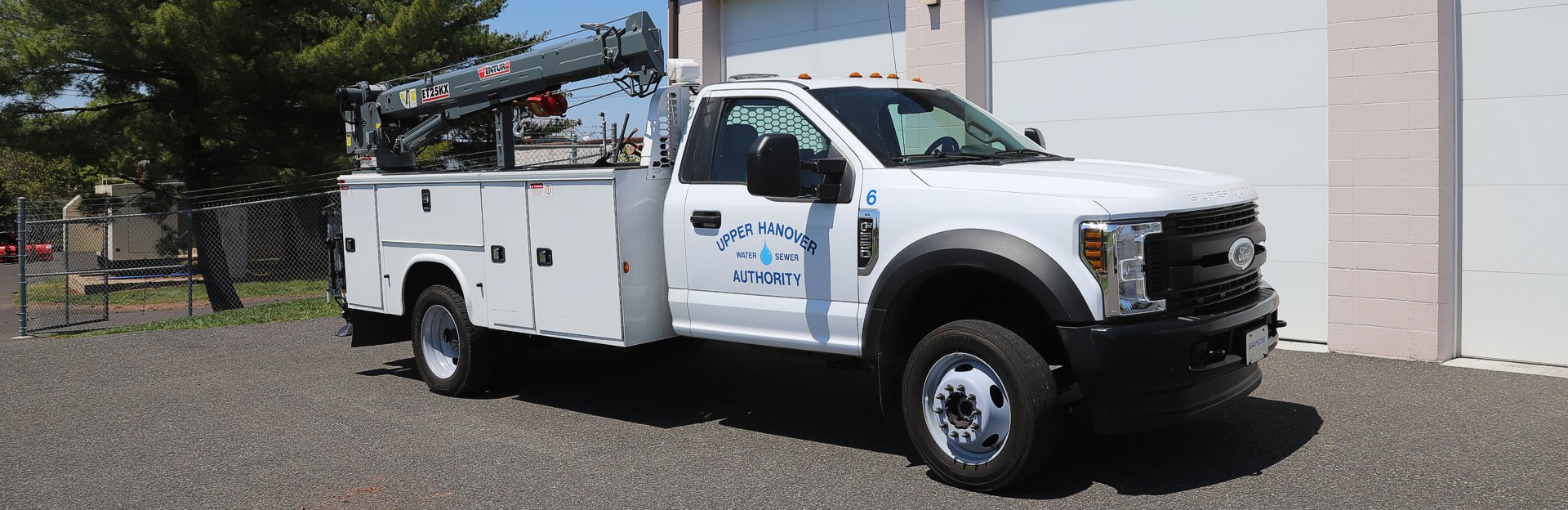
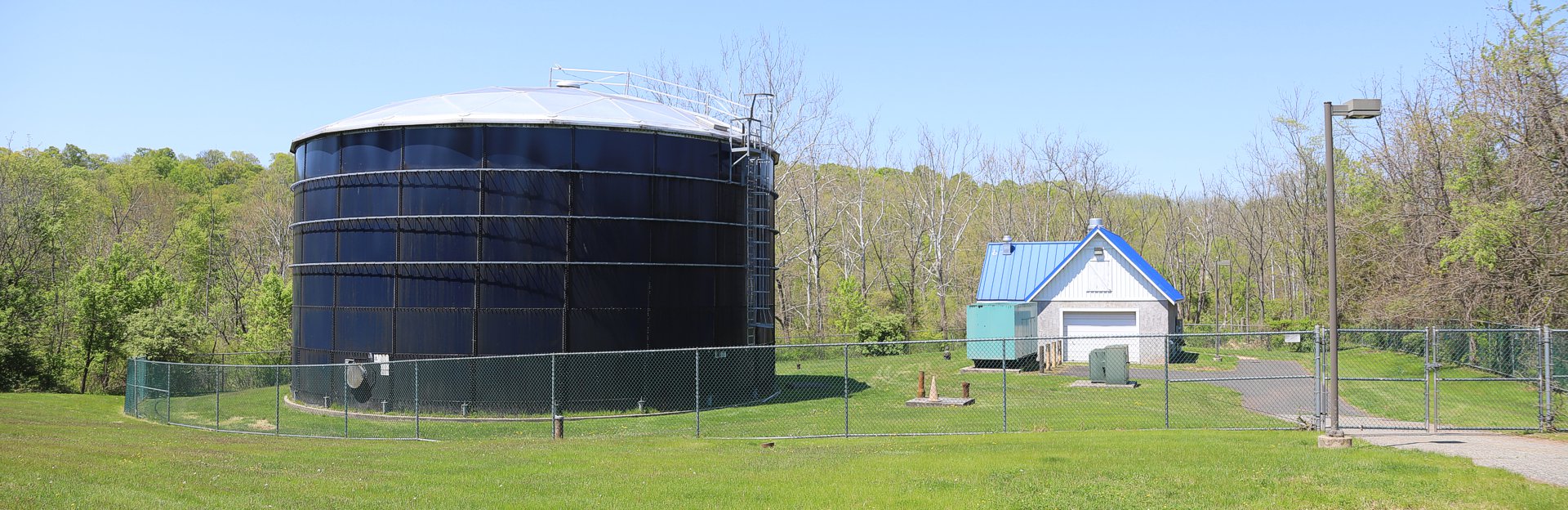
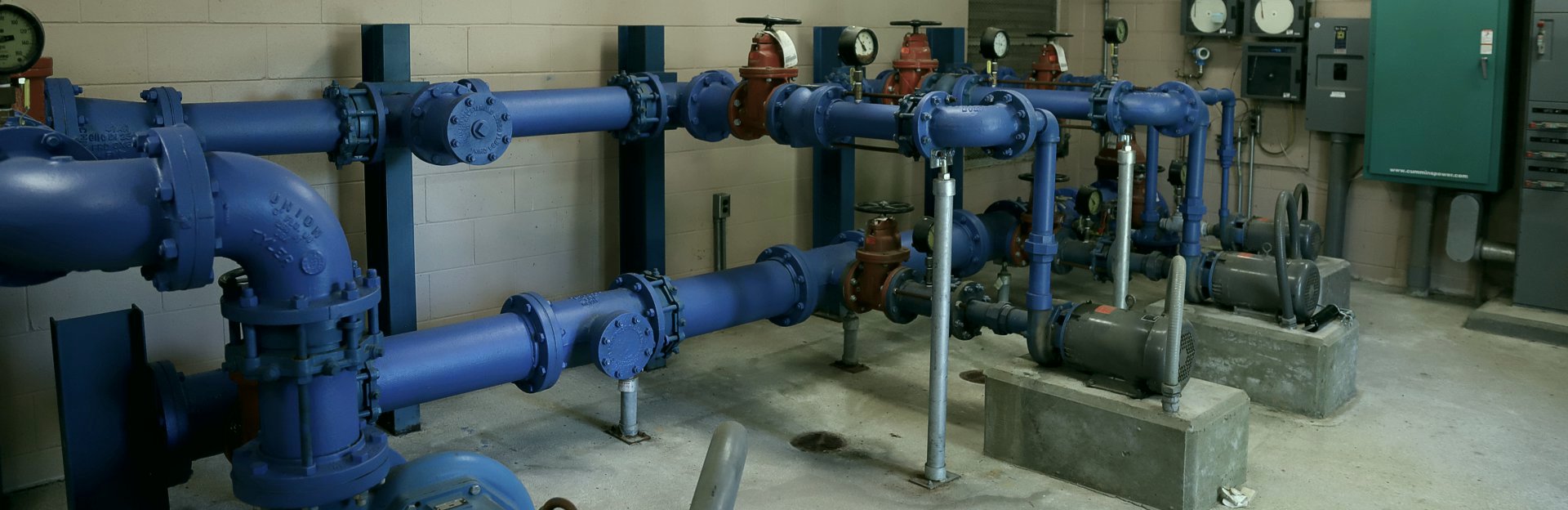
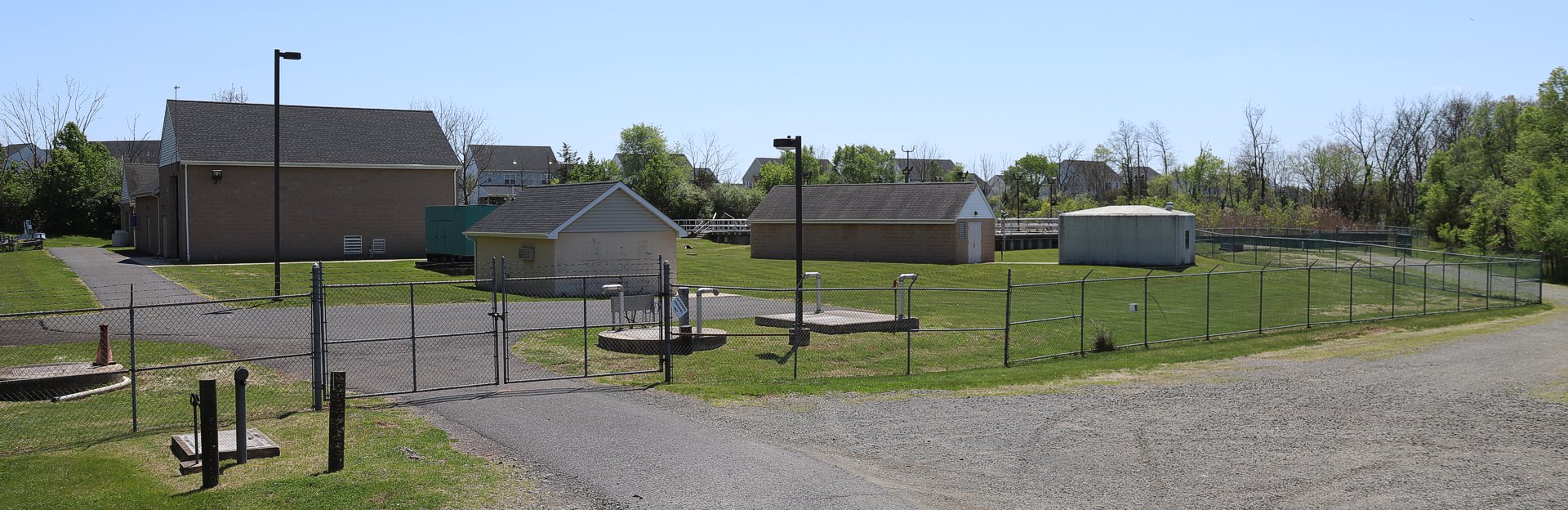
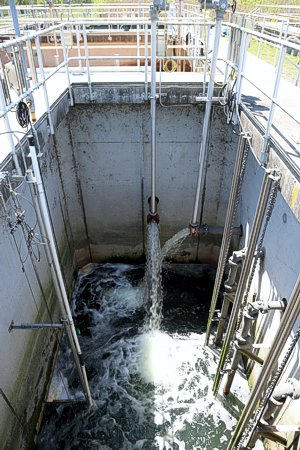
The Authority maintains a sufficient water supply system for fire protection as well as ample and safe drinking water to its customers located in Upper Hanover Township, Pennsburg Borough and Hereford Township. Currently our water sources are provided by way of four wells and an interconnection to Red Hill Water Authority which maintains a spring fed reservoir and two wells.
The Authority also maintains two wastewater treatment plants serving industrial and residential customers in Upper Hanover Township. The Macoby Wastewater System was installed in 1995. The Perkiomen Wastewater System began, with the purchase of the Mrs. T's Treatment Plant, in 2001. The Palm Sewer Collection System was completed in 2004.